Bankart Repair
Bankart repair is a surgical procedure performed to fix a torn labrum in the shoulder, specifically in cases of anterior shoulder instability. The Bankart lesion occurs when the labrum, a ring of cartilage that stabilizes the shoulder joint, is torn due to dislocation. This condition is common in athletes and individuals who engage in repetitive overhead movements, such as swimming, tennis, or weightlifting. If left untreated, a torn labrum can lead to chronic instability, increasing the likelihood of recurrent dislocations.
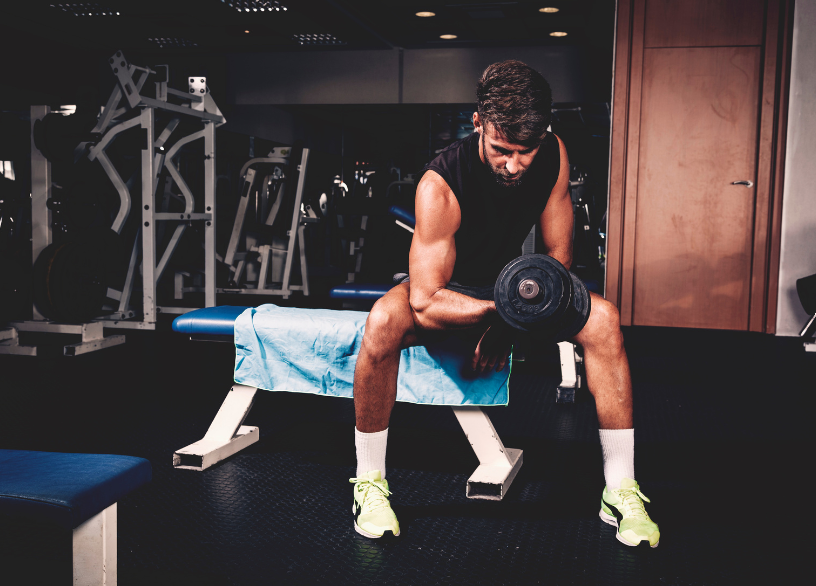
Over time, repeated shoulder dislocations can cause further damage to the cartilage and bone, leading to long-term shoulder dysfunction and arthritis. Bankart repair helps restore shoulder stability, reducing the risk of future dislocations and improving overall joint function.
Pre-Surgical Preparation:
Before surgery, the patient undergoes a thorough evaluation, including MRI scans and physical examinations, to assess the severity of the labral tear. Physical therapy may be recommended before surgery to strengthen the shoulder muscles and improve joint mobility, which can enhance post-surgical recovery. Patients are advised to avoid medications that can increase bleeding, such as aspirin or non-steroidal anti-inflammatory drugs (NSAIDs), and to follow fasting guidelines before the procedure. Surgeons also educate patients on what to expect during recovery, including post-operative pain management and rehabilitation protocols. Preparing the home environment by arranging essential items at a comfortable height can help reduce strain on the shoulder during the initial recovery phase. Maintaining proper nutrition before surgery can support tissue healing and contribute to a smoother recovery process.
The Surgical Procedure
Bankart repair is typically performed arthroscopically under general anesthesia. The surgeon makes small incisions around the shoulder and inserts an arthroscope (a small camera) to visualize the damaged labrum and surrounding structures. Using specialized instruments, the torn labrum is reattached to the shoulder socket (glenoid) with sutures and small anchors, securing it in place. The procedure usually takes around one to two hours, depending on the severity of the injury and the extent of repair needed. Arthroscopic techniques minimize tissue damage and reduce recovery time compared to open surgery. After the procedure, the incisions are closed with sutures, and a sterile dressing is applied to protect the surgical site.
Immediate Post-Surgical Care
Following surgery, the shoulder is immobilized with a sling to allow the repaired labrum to heal properly. Patients are advised to keep the arm in a stable position and avoid sudden movements that could stress the surgical site. Pain management includes prescribed medications and the application of ice packs to reduce swelling and discomfort. The initial healing phase is crucial for preventing complications such as stiffness or excessive scar tissue formation. Patients should strictly follow post-operative care instructions, including proper sleeping positions to minimize strain on the shoulder. Some individuals may also receive blood clot prevention measures, such as gentle arm movements or compression therapy, depending on their risk factors.
Early Rehabilitation
The first phase of rehabilitation focuses on gentle passive movements to maintain shoulder flexibility and prevent stiffness. Physical therapy begins within the first few weeks, with the therapist guiding the patient through controlled exercises to restore range of motion. Strength-building exercises are avoided during this phase to prevent excessive stress on the healing labrum. Patients are encouraged to remain consistent with their rehabilitation routine, as early movement can help reduce post-surgical stiffness. Regular follow-ups with the surgeon ensure that the labrum is healing correctly and that there are no complications. Proper adherence to rehabilitation guidelines significantly improves long-term shoulder function and stability.
Intermediate Recovery
During this phase, patients begin active-assisted and light strengthening exercises to improve shoulder stability and muscle support. Resistance training is introduced gradually, focusing on the rotator cuff and surrounding shoulder muscles. Low-impact activities such as stationary cycling or walking may be encouraged to maintain overall fitness while avoiding stress on the shoulder. Physiotherapists monitor the patient’s progress and adjust the rehabilitation program based on their recovery rate. Patients are advised to avoid sudden overhead movements or lifting heavy objects to prevent reinjury. Continued strengthening and mobility exercises help restore normal shoulder function and prepare for more advanced rehabilitation.
Advanced Recovery and Return to Sport
As the patient progresses, more intensive strengthening and stability exercises are introduced. Sport-specific drills, resistance training, and controlled overhead movements help prepare the shoulder for higher levels of physical activity. Gradual reintroduction to weightlifting, swimming, or throwing motions is done under supervision to ensure safe progress. A return-to-sport assessment, including strength and functional movement tests, may be conducted to determine if the shoulder is ready for full activity. Psychological readiness is also addressed, as some patients may experience apprehension about reinjury. Proper conditioning and gradual exposure to high-impact movements help rebuild confidence and prevent future dislocations.
Full Recovery and Return to Normal Activities
Complete recovery from Bankart repair can take four to six months, depending on individual progress and rehabilitation adherence. Athletes may require additional sports-specific training before returning to full competition. Regular follow-ups with the surgeon and physiotherapist help monitor progress and address any lingering concerns. Long-term shoulder health can be maintained by continuing strength training and flexibility exercises even after recovery. Some patients may benefit from wearing a shoulder brace during high-risk activities to provide additional support. With proper rehabilitation and care, most individuals regain full shoulder stability and return to their normal routines without limitations.